


Razor inside the OneRoad Digital Fleet Ecosystem.
A concise pitch deck in web form: who OneRoad is, what Razor brings, the value of integration, and a simple connection model—ending with minimum requirements to connect.
A connected ecosystem means Razor events can be surfaced in the same operational view fleets use to manage vehicles, drivers and exceptions—adding immediate context and faster response, while Razor remains the system of control.
1) OneRoad: the digital fleet ecosystem
OneRoad is an integrated fleet operating ecosystem—connecting drivers, vehicles, operations and compliance, with the AI Dynamic Dashboard as the control layer.
Live fleet state, exceptions, incidents, and interventions in one interface.
OneRoad App workflow designed for real-world use, not admin-heavy reporting.
Built to integrate specialist partners so fleets can run one connected system.
- Event-driven architecture: systems stay clean; evidence is generated as work happens.
- AI dashboard prioritises what matters now (exceptions, incidents, decisions).
- Integration-ready: partner signals become fleet context inside OneRoad.
Optional hardware extension for advanced telemetry—while the platform remains integration-first.
2) Razor International: smart trailer automation
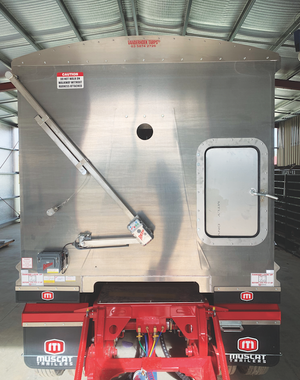
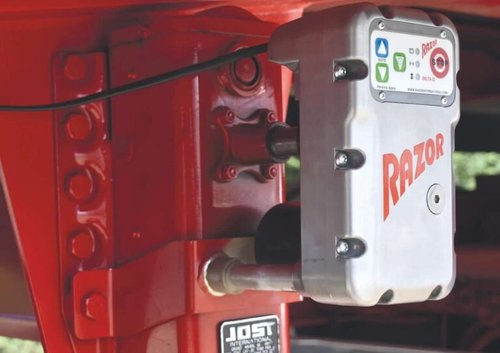
Razor delivers electronic trailer solutions designed to improve safety and operational ease—supported by the Razor Connect app.
Electronic winding system for semi-trailer landing legs.
Practical tarp automation designed for real-world load coverage workflows.
Powered trailer door solution reducing manual handling and improving site efficiency.
- Wireless connectivity for control and monitoring.
- Real-time system information (status fields where available).
- Reduced physical interaction → improved safety outcomes.
3) Why integrate
Integration doesn’t replace Razor—it strengthens it. Razor remains the specialised automation layer, while OneRoad provides fleet-wide visibility and operational context.
Razor signals appear alongside fleet operations—reducing tool switching and improving response.
Fewer interfaces in daily workflow, with consistent visibility across fleet systems.
Positioned as an Integration Partner inside a digital fleet ecosystem—stronger enterprise relevance.
Razor device states and key events are surfaced in OneRoad’s AI Dynamic Dashboard so fleets can view, contextualise, and respond inside one operational environment.
4) Connection model
Straightforward connector: OneRoad consumes permitted Razor device data and events, normalises them, and presents them as visibility and exceptions.
Razor Layer
- Devices / Units
- Status (where available)
- Key events / faults
via API
OneRoad Ecosystem
- OneRoad App
- AI dashboard visibility
- Exceptions / context
5) Partner positioning
Razor is presented as an approved, connected partner inside OneRoad—so fleets can select interoperable tools with confidence.
Razor appears as a recognised integration option within OneRoad.
A branded integration page used in partner and fleet discussions.
Optional announcements and joint customer highlights once live.
6) Minimum integration requirements
To build the connector, OneRoad requires product API access and documentation. This is the only technical requirement to proceed.
- Authentication (API key / OAuth / approved method).
- Endpoints for devices, status and key events.
- Documentation + sandbox (if available).
Access can be scoped to only the fields required for visibility and event context. Razor remains the authority; OneRoad consumes permitted data to provide fleet-level context.